
Embark on a journey into the world of hardie siding installation, where durability meets style and functionality. This guide will walk you through the ins and outs of installing hardie siding, providing valuable insights and tips along the way.
As we delve deeper, you'll uncover the key components and benefits of hardie siding, as well as essential maintenance tips to keep your exterior looking pristine for years to come.
Explanation of Hardie Siding
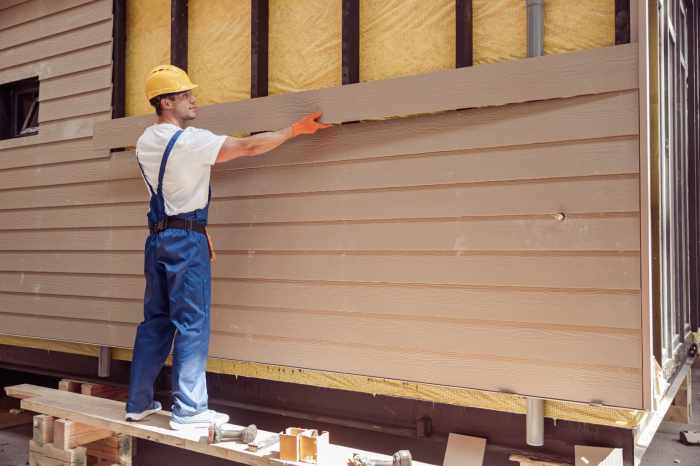
Hardie siding, also known as James Hardie siding, is a type of fiber cement siding made from a combination of cement, sand, and cellulose fibers. This composition makes it a durable and weather-resistant option for exterior cladding on residential and commercial buildings.
Benefits of Using Hardie Siding
- Durability:Hardie siding is resistant to rotting, warping, cracking, and damage from pests, making it a long-lasting option for your home.
- Weather Resistance:It can withstand harsh weather conditions, including extreme heat, cold, and moisture, without deteriorating.
- Low Maintenance:Hardie siding requires minimal maintenance compared to other siding materials, reducing the need for frequent repairs or replacements.
- Versatility:Available in a variety of colors, textures, and styles, Hardie siding can complement any architectural design or aesthetic preference.
Situations Where Hardie Siding is a Good Choice
- High Humidity Areas:Due to its moisture resistance, Hardie siding is ideal for homes located in humid climates where traditional siding materials may deteriorate quickly.
- Fire-Prone Regions:Hardie siding offers fire resistance, making it a suitable choice for properties in areas prone to wildfires or fire hazards.
- Historic Preservation:For buildings requiring a traditional look with modern durability, Hardie siding can be a perfect solution to maintain historical aesthetics while ensuring longevity.
Preparation for Installation
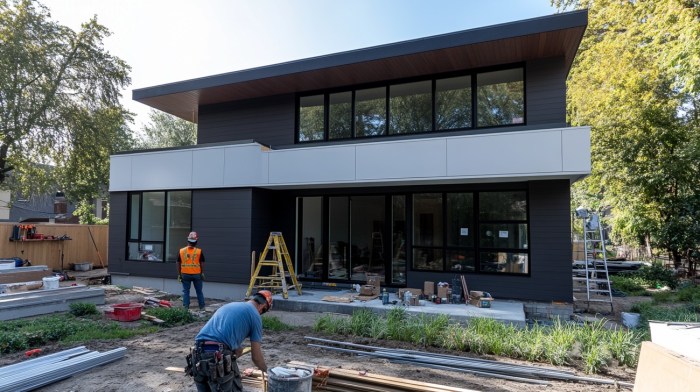
Before beginning the Hardie siding installation process, it is crucial to ensure that proper preparation is done to set the stage for a successful project.
Steps Required for Preparation
- Inspect the exterior walls: Check for any damages, rot, or mold on the existing walls that need to be addressed before installing the siding.
- Clean the walls: Remove any debris, dirt, or peeling paint from the walls to create a smooth surface for the siding to adhere to.
- Measure and plan: Take accurate measurements of the walls to calculate the amount of siding needed and plan the layout for optimal installation.
- Prepare the work area: Clear the area around the walls, remove obstacles, and ensure a safe and accessible workspace for the installation.
Tools Needed for Installation
- Hardie siding panels
- Tape measure
- Circular saw or snips
- Level
- Hammer or nail gun
- Safety glasses and gloves
Safety Precautions
- Wear appropriate safety gear: Ensure you have safety glasses, gloves, and other protective equipment to prevent injuries during the installation process.
- Use proper lifting techniques: When handling heavy siding panels, lift with your legs and avoid straining your back to prevent muscle injuries.
- Follow manufacturer's instructions: Always refer to the installation guidelines provided by Hardie to ensure a safe and effective installation.
Installation Process
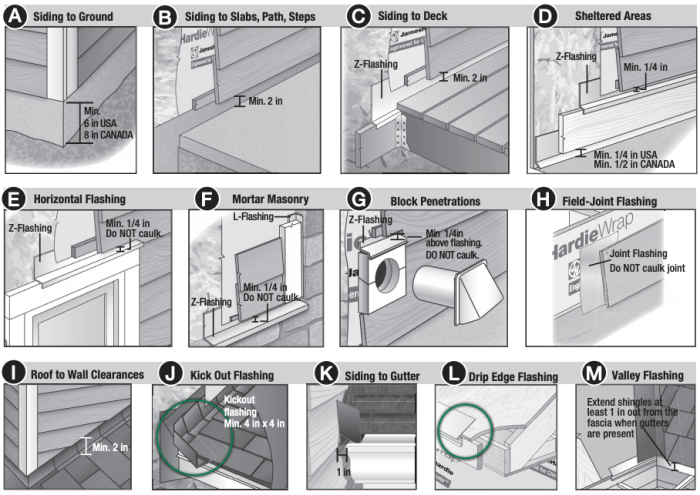
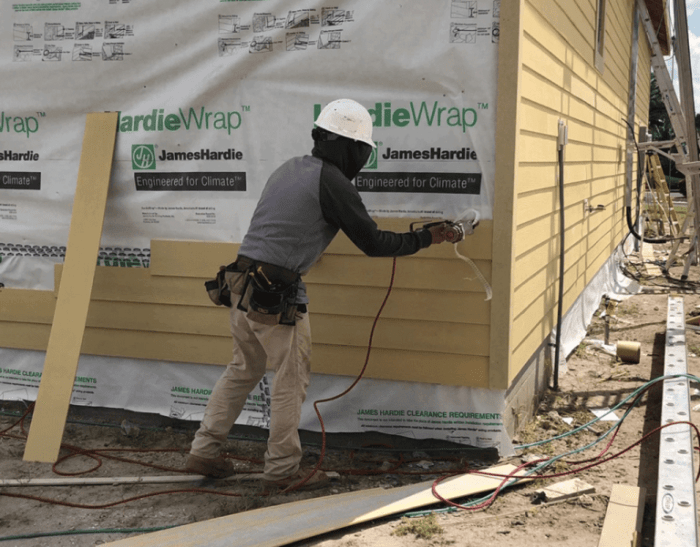
Installing Hardie siding involves following a step-by-step process to ensure a successful outcome. Here we will Artikel the key steps, provide tips for a smooth installation, and discuss common challenges faced during the process.
Step-by-Step Installation Process
- Prepare the work area by clearing debris and ensuring a clean, flat surface.
- Measure and cut the siding panels to fit the dimensions of the installation area.
- Install starter strips at the bottom of the wall to support the first row of siding.
- Begin installing the siding panels, ensuring they are level and securely fastened.
- Overlap the panels according to manufacturer's guidelines to provide proper water drainage.
- Finish with trim pieces around windows, doors, and corners for a polished look.
Tips for Ensuring a Smooth Installation
- Follow the manufacturer's instructions carefully to ensure proper installation.
- Use the right tools and equipment for cutting and fastening the siding panels.
- Work with a partner to make the installation process easier and faster.
- Check for any damage or defects in the siding panels before installation to avoid issues later on.
Common Challenges and How to Overcome Them
- Uneven walls: Use furring strips to create a level surface for installation.
- Moisture issues: Ensure proper flashing and sealing around windows and doors to prevent water damage.
- Incorrect measurements: Double-check all measurements before cutting to avoid wastage and rework.
- Warped panels: Store siding panels flat and protected from moisture to prevent warping.
Maintenance and Care
When it comes to Hardie siding, proper maintenance is key to ensuring its longevity and preserving its appearance. By following some simple care tips and knowing how to address any issues that may arise, you can keep your Hardie siding looking great for years to come.
Maintenance Requirements
- Regularly inspect the siding for any signs of damage, such as cracks, chips, or moisture infiltration.
- Keep the siding clean by washing it with a mixture of mild soap and water at least once a year.
- Trim any nearby trees or bushes to prevent branches from scratching or damaging the siding.
- Ensure proper caulking and sealing around windows, doors, and other openings to prevent water infiltration.
Cleaning and Care Tips
- Use a soft brush or cloth to gently scrub the siding with the soap and water mixture, then rinse thoroughly with a hose.
- Avoid using high-pressure washers, as they can damage the siding by forcing water behind it.
- For tougher stains, you can use a solution of water and white vinegar or a mild household cleaner, but always test in an inconspicuous area first.
Spotting and Addressing Issues
- If you notice any cracks or chips in the siding, repair them promptly with a Hardie-specific patching compound.
- Keep an eye out for signs of moisture infiltration, such as mold or mildew growth, and address the underlying issue immediately.
- If you suspect any structural damage to the siding, contact a professional contractor to assess and repair the damage.
Conclusion
In conclusion, hardie siding installation offers a robust solution for homeowners seeking a long-lasting and visually appealing exterior. By following the steps Artikeld in this guide, you can ensure a seamless installation process and enjoy the benefits of hardie siding for years to come.
Top FAQs
What is Hardie siding composed of?
Hardie siding is primarily made of cement, sand, and cellulose fibers, creating a durable and weather-resistant material.
What are the benefits of using Hardie siding?
Hardie siding is known for its exceptional durability, resistance to rot and pests, low maintenance requirements, and versatile design options.
What are some common challenges faced during Hardie siding installation?
Common challenges include proper cutting and fitting of the siding, ensuring proper ventilation and moisture protection, and handling the weight of the material.