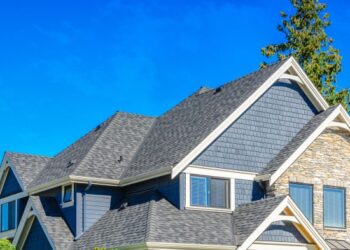

With green exterior siding being a popular choice for homeowners looking to enhance their home's aesthetics and sustainability, this topic delves into the various options available, their benefits, and best practices for installation. Get ready to explore the world of green exterior siding in this comprehensive guide.
Types of Green Exterior Siding
When it comes to green exterior siding options, there are several materials to choose from, each with its own set of pros and cons. It's essential to consider factors such as cost, durability, and maintenance requirements before selecting the right siding for your home.
Vinyl Siding
Vinyl siding is a popular choice due to its affordability and low maintenance requirements. It comes in various shades of green and can mimic the look of wood or other materials. However, vinyl siding may not be as durable as other options and can crack or fade over time.
Fiber Cement Siding
Fiber cement siding is a durable option that is resistant to fire, insects, and rot. It can be painted in different shades of green and is known for its longevity. However, fiber cement siding can be more expensive upfront compared to other materials.
Wood Siding
Wood siding offers a natural and timeless look to your home and can be painted or stained in green shades. While wood siding is biodegradable and eco-friendly, it requires regular maintenance such as painting, staining, and sealing to prevent rot or decay.
Composite Siding
Composite siding is a blend of wood fibers and recycled plastics, offering a sustainable option for green siding. It is available in various green hues and is resistant to rot, insects, and warping. However, composite siding can be costly compared to other materials.
Brick Siding
Brick siding provides a classic and durable option for green exterior siding. While brick is low maintenance and offers excellent insulation properties, it can be one of the more expensive options. Additionally, the installation of brick siding can be labor-intensive.
Cost and Durability Comparison
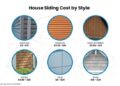
When comparing the cost and durability of green siding materials, vinyl siding tends to be the most affordable upfront but may require more frequent replacement. On the other hand, fiber cement and brick siding are more costly initially but offer better durability and longevity.
Wood and composite siding fall somewhere in between in terms of cost and durability, depending on maintenance efforts.
Best Practices for Installing Green Exterior Siding
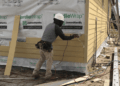
Installing green exterior siding requires careful attention to detail to ensure a proper and long-lasting installation. By following best practices and avoiding common mistakes, you can achieve a beautiful and durable finish for your home.
Step-by-Step Installation Process
- Prepare the surface: Make sure the surface where the siding will be installed is clean, smooth, and free of any debris or dirt.
- Measure and cut the siding: Accurately measure the dimensions of the area to be covered and cut the siding panels accordingly.
- Install the starter strip: Begin by installing a starter strip at the bottom of the wall to ensure a level base for the siding.
- Attach the siding panels: Secure the siding panels to the wall using appropriate fasteners, making sure to leave room for expansion and contraction.
- Finish the edges: Use corner pieces and trim to finish the edges and corners of the siding for a polished look.
- Apply finishing touches: Caulk any gaps or joints to prevent water infiltration and add a protective finish if necessary.
Tips for a Proper and Long-Lasting Installation
- Choose high-quality materials: Invest in durable and weather-resistant green exterior siding materials to ensure longevity.
- Follow manufacturer instructions: Always follow the manufacturer's guidelines for installation to prevent any issues down the line.
- Check for proper ventilation: Ensure proper ventilation behind the siding to prevent moisture buildup and potential damage.
- Regular maintenance: Schedule regular inspections and maintenance to keep your green exterior siding in top condition.
Common Mistakes to Avoid
- Improper installation: Skipping steps or not following proper installation techniques can lead to issues like warping or buckling.
- Ignoring maintenance: Neglecting regular maintenance can result in premature wear and damage to the siding.
- Incorrect measurements: Failing to accurately measure and cut the siding panels can lead to gaps and an uneven appearance.
Benefits of Green Exterior Siding
Green exterior siding offers a multitude of benefits, not only for the environment but also for homeowners looking to improve their energy efficiency and sustainability practices.
Environmental Benefits
- Reduction of environmental impact: Green siding is often made from sustainable materials or recycled content, reducing the need for new resources and minimizing waste.
- Decreased carbon footprint: By choosing green siding, homeowners can contribute to lower carbon emissions and help combat climate change.
- Promotion of biodiversity: Some green siding options, such as living walls or green roofs, can provide habitats for wildlife and promote biodiversity in urban areas.
Improving Energy Efficiency
- Enhanced insulation: Green siding materials like insulated vinyl or fiber cement can improve the thermal performance of a home, reducing the need for heating and cooling.
- Reflective properties: Certain green siding colors and finishes can reflect sunlight, reducing heat gain in the summer and lowering cooling costs.
- Preventing air leaks: Properly installed green siding can help seal gaps and cracks, preventing drafts and improving overall energy efficiency.
Impact on Building Sustainability
- Longevity and durability: Green siding materials are often designed to last longer and require less maintenance, increasing the lifespan of the building.
- Healthier indoor environment: Some green siding options are non-toxic and free from harmful chemicals, promoting better indoor air quality for occupants.
- Resale value: Homes with green siding features are often more attractive to environmentally-conscious buyers, potentially increasing the resale value of the property.
Maintenance Tips for Green Exterior Siding
Maintaining green exterior siding is essential to preserve its appearance and protect your home. By following these maintenance tips, you can ensure that your green siding stays fresh and vibrant for years to come.
Cleaning Different Types of Green Siding Materials
- For vinyl siding, use a mixture of water and mild detergent to clean off dirt and grime. Avoid using harsh chemicals or abrasive tools that can damage the surface.
- Wood siding should be cleaned with a solution of water and mild soap. Be sure to rinse thoroughly and avoid excessive moisture to prevent mold or mildew growth.
- Fiber cement siding can be cleaned with a soft brush and a solution of water and mild detergent. Avoid high-pressure washers that can cause damage to the siding.
Repairing Damage to Green Siding
- Inspect your green siding regularly for any signs of damage such as cracks, chips, or discoloration. Addressing these issues promptly can prevent further damage.
- For minor damage, such as small cracks or chips, use a matching paint or sealant to touch up the affected areas. Make sure to blend the repair seamlessly with the rest of the siding.
- If the damage is more severe, such as large cracks or sections of missing siding, it may be necessary to replace those specific parts. Consult a professional if needed to ensure proper installation and matching of materials.
Concluding Remarks
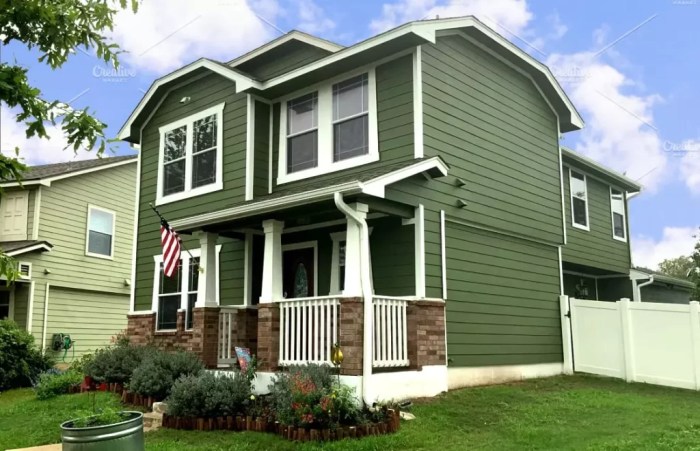
In conclusion, green exterior siding offers not just an eco-friendly option but also a stylish one for your home. By understanding the different types, installation best practices, and maintenance tips, you can make an informed decision to elevate your home's exterior.
Make the switch to green siding today and enjoy the benefits it brings to your home and the environment.
FAQ Section
What are the environmental benefits of green exterior siding?
Green exterior siding helps reduce carbon footprint, improves energy efficiency, and promotes sustainable living practices.
How do I maintain green exterior siding?
Regular cleaning with mild soap and water, along with annual inspections for damage, can help keep your green siding looking vibrant and fresh.
Which type of green siding material is the most cost-effective?
While initial costs vary, options like vinyl siding are often considered cost-effective due to their durability and low maintenance requirements.