
Exploring the world of exterior siding companies, this introductory piece delves into the various aspects of choosing the right siding for your home. From materials to installation and maintenance, this guide aims to provide comprehensive information for homeowners looking to enhance their property's exterior.
Providing insights and comparisons, this guide aims to equip readers with the knowledge needed to make informed decisions when it comes to exterior siding options.
Types of Exterior Siding Materials
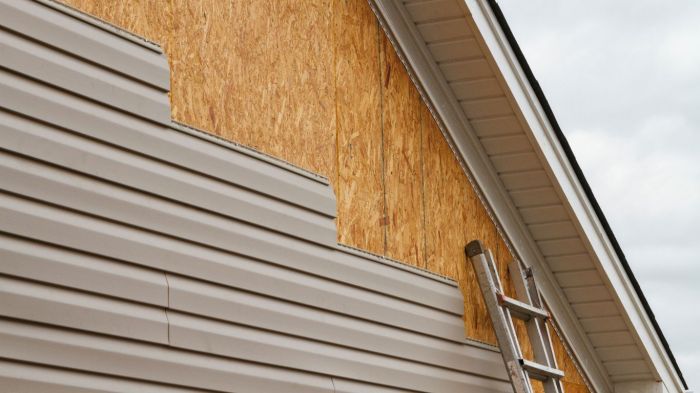
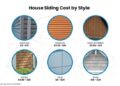
When it comes to choosing exterior siding materials for your home, there are several options available. Each type of material has its own set of pros and cons, as well as varying levels of durability and maintenance requirements.
Vinyl Siding
- Pros: Affordable, low maintenance, versatile in color options.
- Cons: Prone to cracking, fading, and warping over time.
Fiber Cement Siding
- Pros: Durable, fire-resistant, low maintenance.
- Cons: Installation can be more costly, requires painting over time.
Wood Siding
- Pros: Natural beauty, environmentally friendly, can be painted or stained.
- Cons: Susceptible to rot, pests, and maintenance-intensive.
Metal Siding
- Pros: Highly durable, fire-resistant, modern aesthetic.
- Cons: Prone to dents, scratches, and can be noisy during rain or hail.
Stucco Siding
- Pros: Excellent insulation properties, versatile textures, long-lasting.
- Cons: Requires skilled installation, can crack over time, costly repairs.
Factors to Consider When Choosing Siding
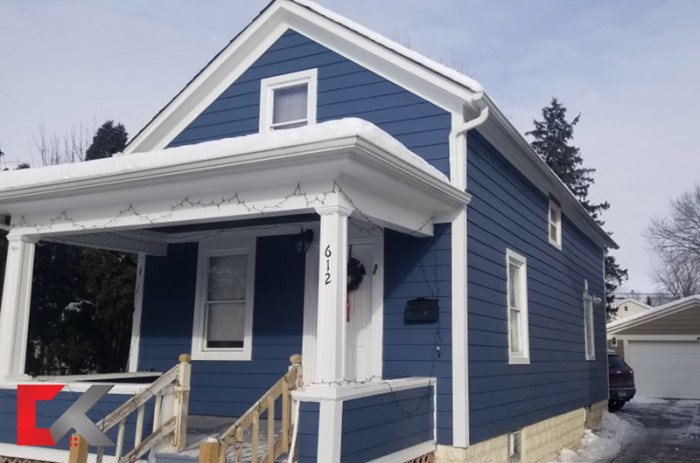
When selecting exterior siding for your home, there are several key factors that homeowners should consider to ensure they make the best choice for their needs and preferences.Climate and Location:The climate and location of your home play a significant role in determining the most suitable siding material.
For example, in areas with high humidity or frequent rainfall, moisture-resistant materials like vinyl or fiber cement siding may be more appropriate. In contrast, in regions with extreme temperature variations, durable materials like metal or engineered wood may be preferred.Cost, Aesthetics, and Energy Efficiency:Cost is an important factor to consider when choosing siding, as different materials come with varying price tags.
While vinyl siding is generally more affordable, options like natural wood or stone can be more expensive but offer a premium look. Homeowners should also consider the aesthetic appeal of the siding and how it complements the overall design of their home.
Additionally, energy efficiency should not be overlooked, as siding materials with good insulation properties can help reduce heating and cooling costs over time.
Material Durability and Maintenance
- Some siding materials require more frequent maintenance, such as painting or sealing, to keep them looking their best.
- Durable materials like fiber cement or metal siding may require less maintenance and have a longer lifespan.
- Consider the long-term durability of the siding material to ensure it can withstand the elements and maintain its appearance over time.
Environmental Impact
- Choose siding materials that are eco-friendly and sustainable, such as recycled or natural materials, to reduce the environmental impact of your home.
- Consider the manufacturing process and disposal of the siding material to make a more environmentally conscious choice.
- Look for certifications like LEED or Energy Star to ensure the siding meets certain environmental standards.
- For vinyl siding, regularly wash with a mixture of water and mild soap to remove dirt and grime. Avoid using abrasive cleaners that can damage the surface.
- Wood siding should be inspected for signs of rot or decay regularly. Apply a fresh coat of paint or stain every few years to protect the wood from the elements.
- Fiber cement siding can be cleaned with a mixture of water and gentle detergent. Inspect for cracks or chips, and repair them promptly to prevent moisture from seeping in.
- Metal siding should be inspected for rust and corrosion. Remove any rust spots and apply a rust-resistant primer and paint to prevent further damage.
- Water damage: Leaks or moisture intrusion can lead to mold growth and rot. Siding companies will identify the source of the leak, repair the damaged area, and replace any affected siding.
- Cracks and chipping: Over time, siding can develop cracks or chips. Repair involves filling in the damaged areas with matching material and repainting or staining to blend seamlessly.
- Loose or missing panels: High winds or improper installation can cause siding panels to become loose or fall off. Siding companies will reattach or replace the panels to ensure a secure fit.
- Pest infestation: Insects or rodents can damage siding materials. Exterminating the pests and repairing or replacing the damaged siding is necessary to prevent further issues.
Installation Process
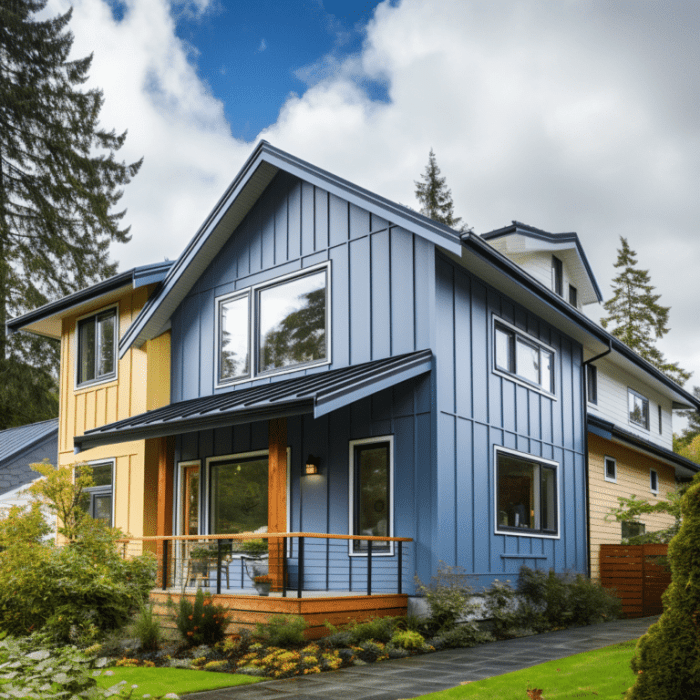
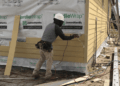
When it comes to installing exterior siding, there are several key steps involved that ensure a proper and durable finish for your home
Preparation
Before starting the installation, it is essential to inspect the exterior of your home for any damage or areas that may need repair. This includes fixing any rot or water damage, as well as ensuring the surface is clean and free of debris.
Proper preparation sets the foundation for a successful siding installation.
Tools and Equipment
- Siding Nailer: Used to secure the siding to the exterior of the home. - Tape Measure: Essential for accurate measurements to ensure a precise fit. - Circular Saw: Helps with cutting the siding panels to the correct size. - Level: Ensures that the siding is installed straight and level.
- Ladder: Needed for reaching higher areas of the home during installation.
Insulation and Moisture Barriers
Proper insulation and moisture barriers are crucial during siding installation to protect your home from the elements. Insulation helps regulate temperature and energy efficiency, while moisture barriers prevent water infiltration and damage. These components work together to enhance the durability and longevity of your siding.
Maintenance and Repair
Regular maintenance and timely repairs are essential to ensure the longevity and appearance of your exterior siding. By properly caring for your siding, you can prevent costly damage and maintain the curb appeal of your home.
Tips for Maintaining Different Types of Siding
Common Issues and Repair Procedures
Importance of Regular Inspections and Upkeep
Regular inspections of your siding can help identify potential issues early on, preventing more extensive damage and costly repairs down the line. By maintaining your siding through cleaning, repairs, and inspections, you can protect your home and enhance its overall appeal.
Last Word
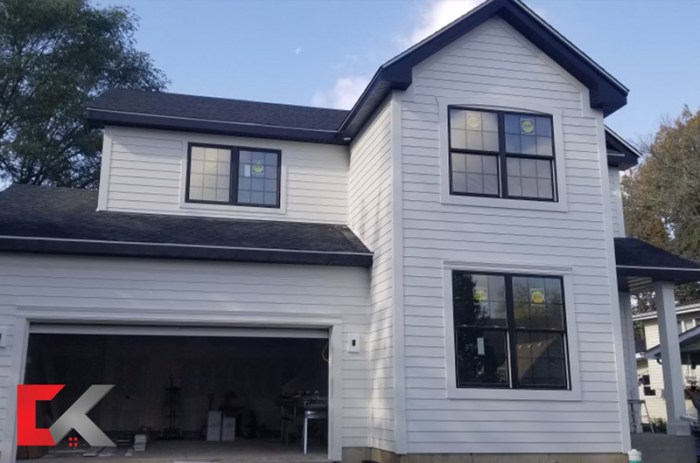
In conclusion, the world of exterior siding companies offers a multitude of choices for homeowners seeking durability, aesthetics, and functionality. Armed with the information provided in this guide, homeowners can confidently navigate the process of selecting the ideal siding for their homes.
Clarifying Questions
What are the key factors to consider when choosing exterior siding?
Factors to consider include climate, location, cost, aesthetics, and energy efficiency.
How can homeowners maintain different types of siding?
Maintain siding by regularly cleaning, inspecting for damage, and addressing issues promptly.
What tools are required for installing exterior siding?
Tools needed may include a saw, hammer, level, tape measure, and safety gear.
How do siding companies address common repair issues?
Siding companies typically assess the damage, recommend solutions, and carry out repairs professionally.