
Cedar plank exterior siding embodies a timeless elegance, offering a touch of nature's charm to any building facade. In this detailed exploration, we delve into the world of cedar plank siding, uncovering its unique characteristics and practical benefits for exterior applications.
As we navigate through the different types of cedar wood, the installation process, and maintenance tips, readers will gain a comprehensive understanding of why cedar plank siding remains a popular choice in home construction.
Introduction to Cedar Plank Exterior Siding
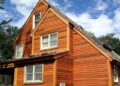
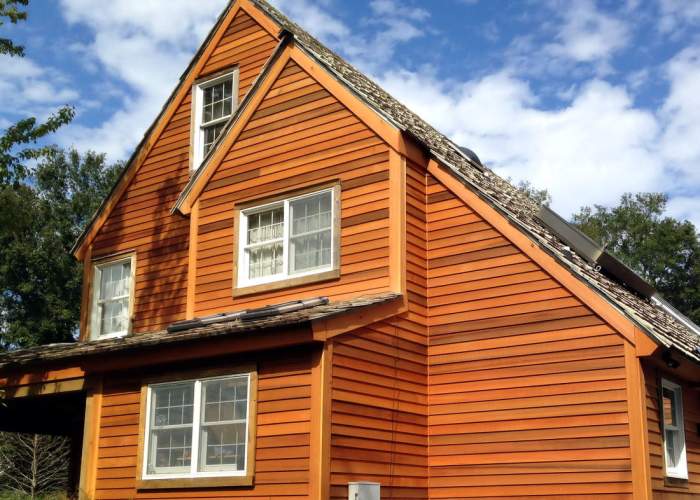
Cedar plank exterior siding is a type of cladding made from natural cedar wood. It is commonly used to cover the exterior walls of buildings, providing both protection and aesthetic appeal.
Benefits of Cedar Plank Siding
- 1. Durability: Cedar wood is naturally resistant to rot, decay, and insect damage, making it a long-lasting siding option.
- 2. Insulation: Cedar plank siding provides excellent thermal insulation, helping to regulate indoor temperatures and reduce energy costs.
- 3. Aesthetics: The natural beauty of cedar wood gives a warm, rustic look to any building, enhancing curb appeal and increasing property value.
- 4. Sustainability: Cedar is a renewable resource that can be harvested responsibly, making it an eco-friendly choice for environmentally conscious homeowners.
Popularity of Cedar Plank Siding
Cedar plank siding has gained popularity in home construction due to its combination of durability, aesthetics, and sustainability. Many homeowners appreciate the timeless look of cedar wood and the low maintenance requirements of this type of siding. Additionally, the natural resistance of cedar to moisture and pests makes it a practical choice for exterior applications, ensuring that the siding will last for many years to come.
Types of Cedar Wood for Siding
When it comes to cedar plank exterior siding, there are various types of cedar wood that are commonly used. Each type of cedar wood has its own unique characteristics, durability, and maintenance requirements that make it suitable for different purposes.
Western Red Cedar
Western Red Cedar is a popular choice for siding due to its natural beauty and durability. It is known for its rich red-brown color and natural resistance to decay and insects. This type of cedar wood requires minimal maintenance, with periodic staining or sealing to preserve its appearance and protect it from the elements.
Eastern White Cedar
Eastern White Cedar is another type of cedar wood that is commonly used for siding. It has a lighter color compared to Western Red Cedar and offers a more subtle appearance. Eastern White Cedar is naturally resistant to decay and insects, but it may require more frequent maintenance compared to Western Red Cedar.
Regular cleaning and sealing are recommended to maintain its longevity.
Comparing Characteristics
Western Red Cedar
Rich red-brown color, natural resistance to decay and insects, minimal maintenance required.
Eastern White Cedar
Lighter color, natural resistance to decay and insects, may require more frequent maintenance.
Durability and Maintenance
Both Western Red Cedar and Eastern White Cedar are durable options for siding, with natural resistance to decay and insects. However, Western Red Cedar is known for requiring less maintenance compared to Eastern White Cedar. Regular upkeep such as cleaning, staining, and sealing can help extend the lifespan of cedar plank exterior siding made from either type of cedar wood.
Installation Process of Cedar Plank Siding
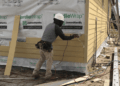
When it comes to installing cedar plank siding on a building exterior, it is essential to follow a step-by-step process to ensure a successful and long-lasting outcome. Proper preparation of the surface, as well as having the right tools and materials, is crucial for achieving the desired results.
Surface Preparation
- Clean the surface thoroughly to remove any dirt, debris, or old paint.
- Repair any damaged areas on the exterior wall to ensure a smooth and even surface for the siding.
- Apply a weather-resistant barrier to protect the wall against moisture and other elements.
Tools and Materials
- Circular saw or miter saw for cutting the cedar planks to the desired length.
- Hammer or nail gun for securing the planks to the wall.
- Level and measuring tape to ensure the planks are installed straight and evenly spaced.
- Stainless steel nails or screws to prevent rust and corrosion over time.
Maintenance and Care of Cedar Plank Siding
Cedar plank siding is a beautiful and durable choice for exterior cladding, but it requires regular maintenance to ensure it stays in good condition. Proper care can help protect your investment and preserve the natural beauty of the wood.
Treatment Options for Protecting Cedar Siding
When it comes to protecting cedar plank siding from weathering and pests, there are several treatment options available. One common choice is to apply a protective stain or sealant to the wood. This helps to create a barrier against moisture, UV rays, and insects.
Another option is to use a wood preservative that contains fungicides and insecticides to prevent rot and pest infestations.
Recommendations for Cleaning Cedar Plank Siding
To clean cedar plank siding and maintain its appearance, it is important to regularly remove dirt, dust, and debris. A gentle wash with water and a mild detergent can help to keep the wood looking its best. Avoid using harsh chemicals or power washers, as these can damage the wood fibers.
Additionally, it is recommended to inspect the siding regularly for any signs of damage or wear, and address any issues promptly to prevent further damage.
Preserving the Natural Beauty of Cedar Siding
To preserve the natural beauty of cedar plank siding, it is important to protect it from direct sunlight and moisture. Consider applying a UV-protective finish to the wood to help prevent discoloration and fading. Regularly inspect the siding for any signs of wear or damage, and make any necessary repairs or treatments to keep the wood looking its best for years to come.
Ultimate Conclusion
In conclusion, cedar plank exterior siding stands out as a versatile and durable option for enhancing the aesthetic appeal of any property. With proper care and maintenance, this natural material can retain its beauty for years to come, making it a wise investment for homeowners seeking both style and functionality.
Commonly Asked Questions
What are the best types of cedar wood for siding?
Western Red Cedar and Eastern White Cedar are commonly used for siding due to their durability and aesthetic appeal.
How do I clean and preserve cedar plank siding?
Regularly cleaning with a mild detergent and water, followed by applying a protective finish, can help maintain the natural beauty of cedar plank siding.
What are the benefits of cedar plank siding compared to other materials?
Cedar plank siding offers natural resistance to decay, insects, and rot, along with a unique aesthetic that matures beautifully over time.